
In our previous article, we discussed why your investment assets must achieve a 12% annual return to maintain purchasing power. Here, we explore the asset classes that have consistently surpassed this benchmark and propose a thesis around why they will continue to outperform this benchmark through to 2030.
Recap: The GDP Problem
Recall the formula for GDP:
GDP = Population Growth + Productivity Growth + Debt Growth
Western governments have exhausted traditional levers to drive GDP growth, resulting in a consistent decline since 2008. Here’s why:
- Debt Growth: New debts are now primarily generated to cover interest on old debts and fund non-productive sectors like aged care. This creates a diminishing return on debt.
- Population Growth: Natural population growth has stalled. Immigration has become the primary driver of population increases in Western nations, but it introduces challenges such as the housing affordability crisis in Australia.
- Productivity Growth: Aging populations mean fewer productive workers, compounding the impact of declining population growth.
The Solution to Declining GDP
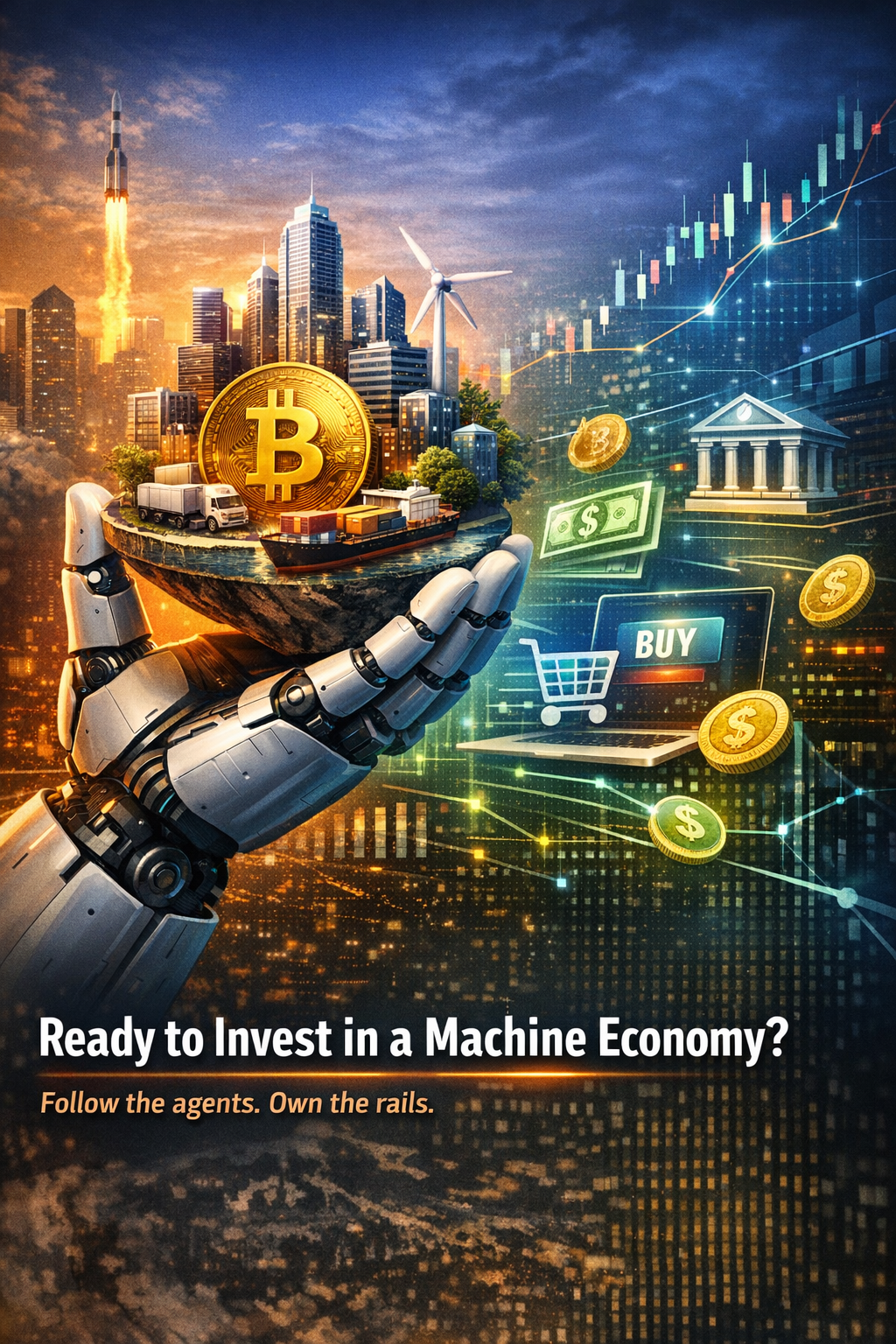
The key to reversing GDP decline lies in non-immigration-led productivity growth. This requires leveraging technologies like AI, robotics, and blockchain to drive efficiency. These technologies represent a “a silver bullet” capable of sustaining GDP growth for decades.
The extraordinary evolution of AI over the past two years, coupled with the pending release of AGI (Artificial General Intelligence) and AI agents, has the potential to increase productivity by double digit % annually without population growth. Historically, technological advancements like the printing press, machinery, and computers incrementally improved productivity, but AI’s pace of change is unprecedented and can be described as exponential!!!!
Within the next 5-6 years, by 2030, economies will look drastically different which will be powered by AI agents, robots and tech tools that make everything a lot more efficient.
Trends to Watch
The landscape of innovation and investment is rapidly evolving, driven by several interconnected trends:
- Exponential Technology Growth:
- Innovations like AI, blockchain, green energy, biotech, and IoT are converging, driving exponential, not linear, change.
- Fiat Currency Debasement:
- Central bank money printing devalues fiat currencies, meaning real asset values should be measured against central bank balance sheets, not nominal terms.
- Emerging Economic Framework:
- Traditional finance systems are giving way to digital ecosystems like cryptocurrencies and decentralised finance (DeFi).
- Technological Adoption Curves:
- Following Metcalfe’s Law, assets with network effects (e.g., Bitcoin, Tesla) are experiencing exponential growth.
- Global Shifts in Investment Opportunities:
- Legacy industries will stagnate, while growth will come from sectors like green energy, EVs, biotech, digital assets, and technological innovation in emerging markets.
- Human and Societal Impact:
- While technology enhances productivity and reduces environmental strain, it will disrupt jobs and create inequalities. The metaverse, wearables, and AI will redefine work, healthcare, and human interaction.
The Investment Thesis
To outperform, investors must focus on asset classes aligned with these trends and capable of outpacing inflation and currency debasement. Specifically, those returning over 12% annually.
Historical Annual Returns (2014-2024):
- Bitcoin: 46.47%
- Nasdaq 100: 16.41%
- Sydney Real Estate: 7.1% (leveraged return: 13.12%)
- S&P 500: 9.30%
- Mid-cap Stocks (S&P 400): 7.73%
- Gold Miners (GDX): 3.15%
The Standouts
Bitcoin (crypto), the Nasdaq, and leveraged blue chip residential real estate stand out for consistently surpassing the 12% threshold. Their past performance suggests they will continue to lead in the coming years. Consider this: no one wakes up and decides to reduce their reliance on technology. Instead, people continually seek efficiency, convenience, and productivity—all driven by technological advancements.
Sectors Positioned to Benefit:
- AI Infrastructure: Data centers, chip makers, and AI component manufacturers.
- Tech Companies Integrating AI: Meta, Microsoft, Apple, Netflix.
- Robotics & Autonomous Companies: Tesla, Waymo, Amazon.
- Cryptocurrency & Blockchain: Bitcoin, Solana, Coinbase.
- Renewable Energy: To power the tech and AI revolution.
- Biotech: To improve food production, extend human longevity, and combat diseases.
The Supermassive Black Hole of Crypto
Bitcoin has outpaced all asset classes over the past decade and should continue to do the same over the next 6 to 10 years.
- Bitcoin vs. Nasdaq: Bitcoin outperformed the Nasdaq, considered the best-performing equity market, by 99.93% since the debasement period began.
- Risk-Adjusted Returns: With an annualized return of 139%, Bitcoin delivers exceptional risk-adjusted performance.
- Liquidity Correlation: Bitcoin has an 87.5% correlation with global liquidity, outperforming debasement by 105% annually.
Conclusion
The next six years will likely see exponential technological advancements reshape economies and societies. From an investment focus, this is likely to be the best investment opportunity in the next 50 years where we can ride the coattails of massive transformative trends: cryptocurrency (led by Bitcoin), AI-driven innovations, large-cap technology companies, and blue-chip residential real estate. These sectors offer the best opportunities to achieve returns well above the critical 12% threshold and thrive in an age where technology is the solution to GDP growth across western nations.
Now is the time to allocate capital strategically to these high-growth areas. As history shows, those who adapt early to disruptive trends reap the greatest rewards. The question isn’t whether these changes will happen—it’s how prepared you are to capitalise on them.
Remember……Don’t Pass Up Something Attractive Today for the Hope of Something Better Tomorrow. Seize opportunities as they arise because they won’t always be around. Act on good opportunities when you see them.




 TheBucket